

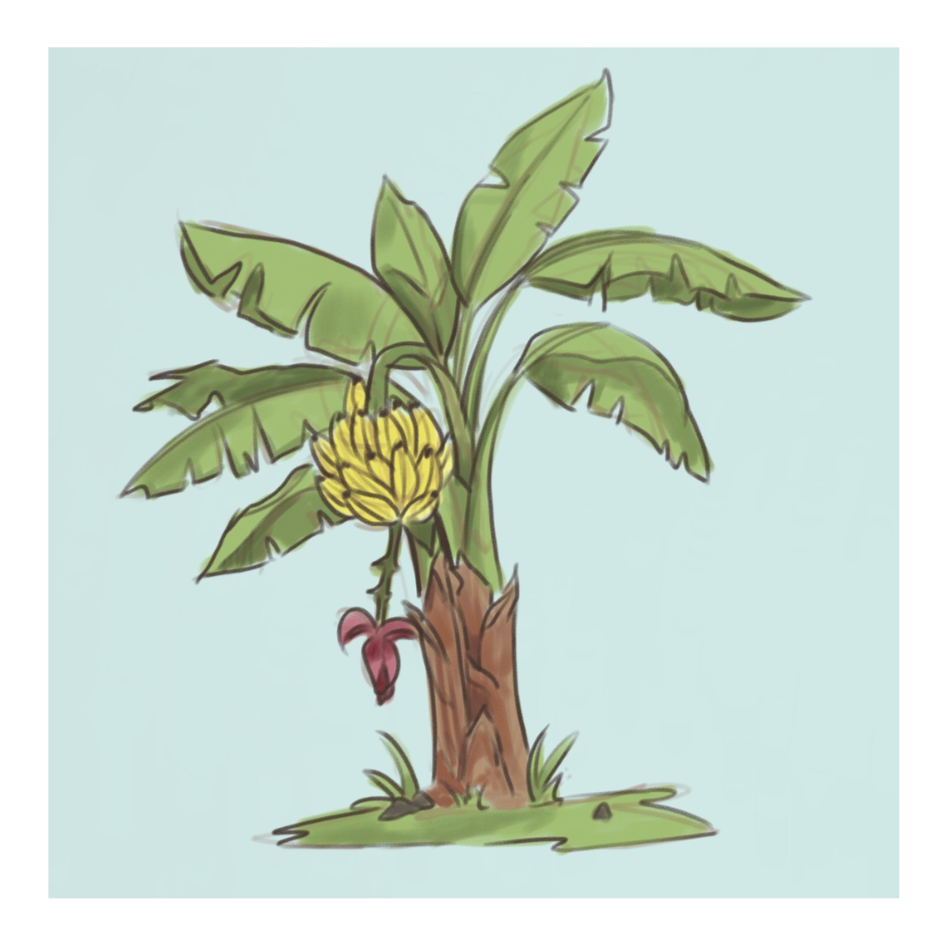
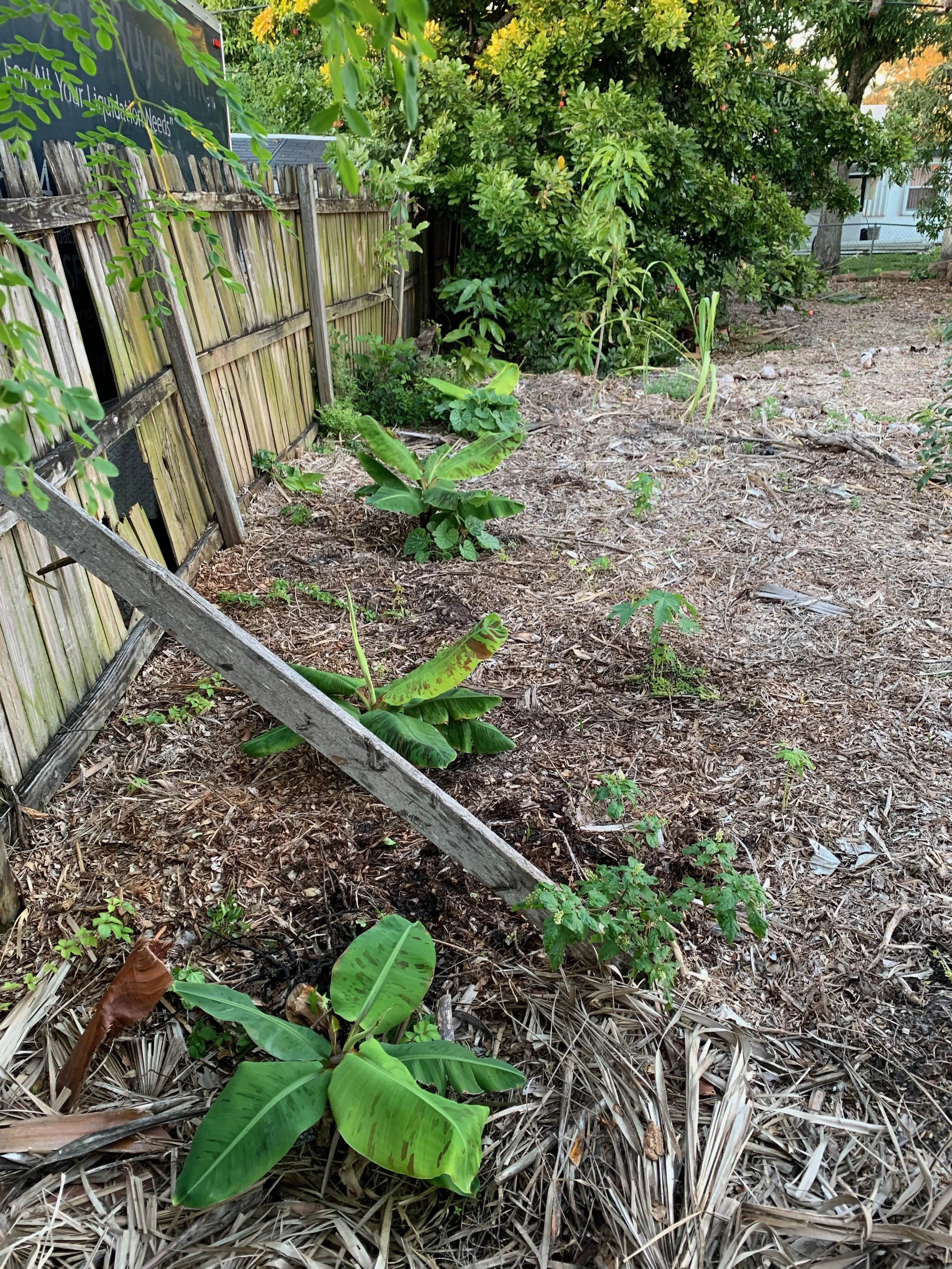
Bananas and plantains are tropical fruits widely grown in Africa, Asia, and Latin America. Bananas are generally eaten raw when ripe, while plantains are starchier and usually cooked before eating. Both are highly versatile in cooking and nutrition.
Bananas are generally eaten fresh, blended into smoothies, or baked into treats like banana bread or muffins. They are also used in desserts such as banana pudding or fried bananas with honey. Plantains, on the other hand, are popular in savory dishes, like tostones or maduros in Latin America, cooked in stews in West Africa, or made into plantain chips as a snack in South Asia.
Bananas have been used to soothe stomach ulcers and reduce acidity due to their natural antacid properties. The inside of a banana peel can also be applied to insect bites or minor burns to reduce irritation. Similarly, plantains have been used in folk medicine to aid digestion, promote wound healing, and reduce inflammation. Boiled plantain water is sometimes used as a home remedy for diarrhea.
Both bananas and plantains are rich in potassium. Potassium helps regulate blood pressure and supports heart health. The fruits also contain vitamin B6, vitamin C, and fiber, which aid in digestion and boosting immunity. Their natural sugars provide quick energy, making them ideal snacks for a basic energy boost.
For adults, a banana and honey face mask can be used for skin hydration and brightening. To make the face mask, mash one ripe banana with a tablespoon of honey, and then apply it to the face for 15 minutes before rinsing. The antioxidants and natural oils nourish and soften the skin.For children, a banana smoothie made with banana, milk, and a little honey provides a nutrient-dense snack rich in potassium and protein, which can be perfect for an after-school energy boost.
